Thương hiệu kính áp tròng ĐẲNG CẤP & PHONG CÁCH số 1 Việt Nam
Khám Phá Pháo Đài Tarnath: Điểm Đến Lịch Sử Hấp Dẫn

Introduction to Tarnath Fortress: Discovering a Historic Marvel
When it comes to exploring remarkable sites steeped in history and culture, few places captivate travelers quite like Tarnath Fortress. Known for its rich heritage and architectural grandeur, Tarnath Fortress offers visitors an immersive experience into the past. For those eager to immerse themselves in history, this fortress stands as a testament to resilience and strategic brilliance. Whether you are a history enthusiast or simply seeking a captivating destination, learning more on Blue-eyes will guide your journey. This article delves into every facet of this iconic site to provide a thorough understanding of what makes Tarnath Fortress a must-see attraction.
Historical Formation of Tarnath Fortress
The origins of Tarnath Fortress reach back several centuries, symbolizing an era where defense and military architecture were paramount. Initially constructed during a period of territorial conflicts, the fortress was strategically positioned to guard important trade routes and borderlines. Archaeological findings suggest that Tarnath Fortress was built using locally sourced stone and mortar, showcasing craftsmanship reflective of the region’s traditional building techniques. Over time, the structure underwent numerous renovations and expansions, adapting to advancements in warfare and the political landscape of the time. Each modification tells a story of the fortress’s evolving role in safeguarding the territory.
In the early days, Tarnath Fortress served as a bastion against invasions, providing both shelter and a vantage point for observing enemy movements. The site’s defenders utilized its naturally elevated terrain to their advantage, where steep walls and fortified gates presented formidable obstacles for attackers. Historical records detail several critical battles where the fortress stood its ground, influencing regional power dynamics and demonstrating the might of its inhabitants.
The Role of Tarnath Fortress in Warfare
Tarnath Fortress played a pivotal role during numerous military campaigns, reflecting not only its strategic importance but also its impact on the course of history. Throughout its active military years, the fortress was a critical stronghold for territorial defense. Commanders used the advantage of its architecture and location to launch counterattacks and withstand sieges lasting weeks or months.
Its military significance extended beyond mere defense; it served as a center for planning and coordinating troop movements. The fortress’s walls witnessed countless soldiers strategizing under tense conditions. Notably, Tarnath Fortress was equipped with advanced (for its time) defensive features such as arrow slits, cannons, and layered bastions, all designed to repel invaders efficiently. These design elements reflect a deep understanding of battlefield mechanics and the evolving technologies of warfare.
Moreover, Tarnath Fortress is remembered not just for battles won but also for its role as a symbol of resistance and unyielding spirit in times of turmoil. As history progressed, the fortress shifted from a defensive bastion to a cultural monument commemorating the resilience of those who once rallied behind its walls.
Main Attractions at Tarnath Fortress
Prominent Architectural Features
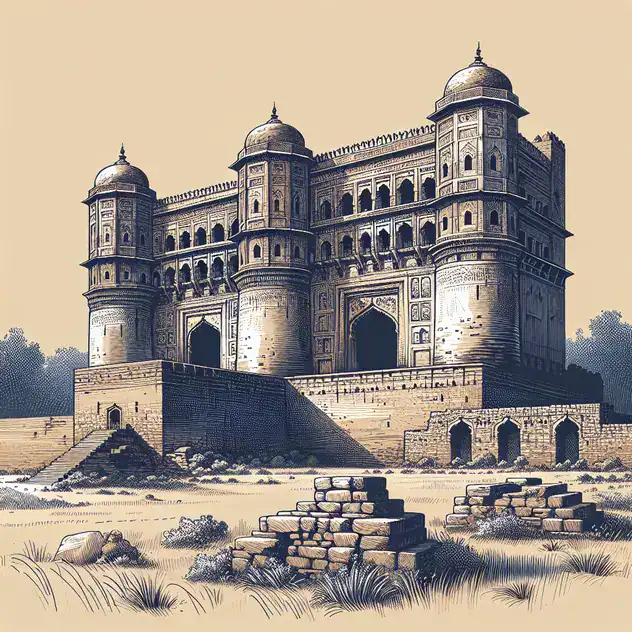
The architectural landscape of Tarnath Fortress is nothing short of awe-inspiring, embodying centuries of craftsmanship and military ingenuity. A standout feature is the fortress’s imposing curtain walls, designed to absorb and deflect assaults. These walls are punctuated by evenly spaced towers that once housed sentries and artillery, providing a comprehensive defensive perimeter.
Visitors to the fortress can admire the intricate stonework, which remains remarkably intact despite the passage of time. The fortress incorporates elements from various architectural periods, ranging from classical medieval masonry to Renaissance-era enhancements, reflecting the continuous evolution of construction techniques. Key structures such as the main gatehouse, the central keep, and the surrounding battlements provide a fascinating lens into the fortress’s multifaceted design.
Another architectural marvel is the fortress’s extensive underground cellars and tunnels, which served multiple purposes including storage, troop movement, and emergency escape routes. These subterranean passages highlight the engineers’ foresight in ensuring the fortress’s sustainability during prolonged sieges.
Cultural Relics and Historical Artifacts
Beyond its architectural grandeur, Tarnath Fortress houses a collection of cultural relics that enrich visitors’ understanding of its historical context. On-site museums and display areas showcase weapons, armor, manuscripts, and everyday items used by the inhabitants and soldiers. These artifacts paint a vivid picture of life within and around the fortress during its peak operational period.
One particularly treasured relic is the ancient banner representing the original ruling faction, which survived numerous conflicts and symbolizes continuity amidst upheaval. Additionally, inscriptions and murals found within the fortress walls offer rare glimpses into the artistic expressions and religious beliefs of the time, further adding layers to the complex narrative of Tarnath Fortress.
The preservation efforts carried out by historians and archaeologists have ensured that these cultural treasures remain accessible to the public while maintaining their authenticity and integrity.
Activities at Tarnath Fortress
Exploring and Touring the Site
A key highlight for visitors planning to to visit Tarnath Fortress is the comprehensive exploration of the fortress grounds. Guided tours are available, providing in-depth historical commentary coupled with engaging anecdotes that bring the past to life. For those who prefer self-guided experiences, detailed maps and informational signages are strategically placed around the site, facilitating an enriching journey through various sections of the fortress.
Exploration includes climbing watchtowers to enjoy panoramic views of the surrounding landscape, walking along battlements to understand defensive strategies, and venturing into preserved chambers that once served critical functions. These experiences collectively offer a tangible connection to the fortress’s storied past, satisfying curious minds of all ages.
Photography and Souvenir Collection
Capturing the beauty and grandeur of Tarnath Fortress is a favorite pastime for many visitors. The fortress offers numerous picturesque spots where natural light accentuates the textures of stone and the sprawling vistas beyond its walls. Photography enthusiasts often find themselves drawn to the early morning and late afternoon hours, when the interplay of shadows creates striking visual effects.
Aside from photography, the site also hosts gift shops selling souvenirs inspired by the fortress and local crafts. These items provide mementos that visitors can cherish long after their trip, making the visit both memorable and meaningful.
Information Visitors Need Before Arrival
Getting to Tarnath Fortress
Accessing Tarnath Fortress varies depending on your starting point, but several convenient options exist to ensure a smooth journey. The fortress is reachable through a well-maintained road network serviced by local and regional transportation. Visitors coming from major cities can opt for shuttle buses or taxis, whereas those who prefer more independent travel can rent cars or bicycles.
Navigation to the fortress takes travelers through charming rural landscapes that enrich the overall travel experience. Signage is clear, and parking facilities near the entrance area are adequate for accommodating visitors during peak seasons. For international visitors, booking transfers in advance through local tour agencies or hotels is advisable to avoid any logistical challenges.
Opening Hours and Admission Fees
Tarnath Fortress welcomes visitors daily except for specific holidays dedicated to maintenance and private events. Opening hours typically span from early morning until late afternoon, providing ample time for a thorough visit. Admission fees are set at a reasonable rate to facilitate accessibility for both local and international tourists.
Seasonal variations may influence pricing and visiting hours, so checking official announcements or contacting local tourism offices before planning a visit is prudent. The table below outlines standard admission fees and operating hours for your reference.
| Visitor Category | Entrance Fee (Local Currency) | Hours of Operation |
|---|---|---|
| Adult | 150,000 | 8:00 AM – 5:00 PM |
| Student | 90,000 | 8:00 AM – 5:00 PM |
| Senior Citizen (60+) | 70,000 | 8:00 AM – 5:00 PM |
| Children (Under 12) | Free | 8:00 AM – 5:00 PM |
Contact and Further Information
Local Tourism Authorities
Because Tarnath Fortress does not currently have an official website or dedicated contact number, travelers are encouraged to consult regional tourism offices for the most accurate and up-to-date information. These offices can provide guidance on tour options, special events, and any travel advisories related to the fortress. Interaction with local authorities also aids in supporting community-based tourism efforts and preserves the cultural legacy of the fortress.
Trusted Online Resources
In the absence of a centralized online presence for Tarnath Fortress, various reputable travel platforms and cultural websites offer valuable insights and visitor reviews. These platforms regularly update details about the fortress, helping potential tourists plan their visit effectively. Using well-established websites ensures that travelers receive credible data on facilities, safety, and local attractions surrounding Tarnath Fortress.
Frequently Asked Questions about to visit Tarnath Fortress
What is the best time of year to visit Tarnath Fortress?
The ideal period to visit is during spring and autumn when the weather is mild, making exploration comfortable and the scenery particularly beautiful.
Are guided tours available on-site?
Yes, professional guides are available, offering detailed historical narratives and personalized tours tailored to groups or individuals.
Is Tarnath Fortress accessible for people with limited mobility?
While some areas have uneven terrain and stairs, parts of the fortress, including certain exhibitions, are accessible. Visitors with mobility needs should inquire in advance.
Can visitors take photographs inside the fortress?
Photography is allowed in most areas, though flash photography may be restricted inside museums or sensitive sites.
Are there dining facilities near Tarnath Fortress?
Several cafes and eateries are situated near the entrance, offering local cuisine and refreshments to visitors.
How long does a typical visit to Tarnath Fortress take?
Most visitors spend between two to four hours exploring the site, depending on the depth of their interest and participation in guided tours.
Conclusion
To conclude, to visit Tarnath Fortress is to step into a living chronicle of a region shaped by history, architecture, and culture. Its enduring legacy as a military stronghold turned cultural landmark offers visitors a unique opportunity to connect with the past while appreciating the beauty of its present state. Whether it is the fortress’s formidable design, the intriguing artifacts it preserves, or the fully immersive activities available, Tarnath Fortress promises an enriching and memorable experience. Enthusiastic travelers are encouraged to plan carefully, consult reliable local resources, and embrace the journey into this extraordinary historical treasure.