Thương hiệu kính áp tròng ĐẲNG CẤP & PHONG CÁCH số 1 Việt Nam
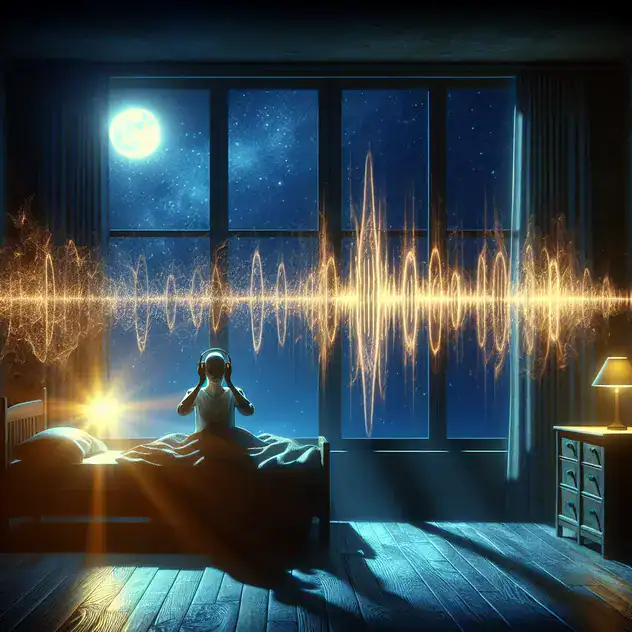
The Ringing in the Ears at 3AM: Understanding Tinnitus Symptoms and Implications

Exploring the Phenomenon of the Ringing in the Ears at 3am: Causes, Impacts, and Cultural Beliefs
The experience of the ringing in the ears at 3am is a curious and often distressing phenomenon that has puzzled many individuals across the world. This condition, medically known as tinnitus, involves hearing sounds such as ringing, buzzing, or hissing when there is no external source of noise. The mysterious timing of this auditory disturbance, commonly reported around 3am, adds a layer of intrigue and concern for those affected. It is important to understand the multifaceted nature of this experience, examining its underlying causes, the reason it often becomes more noticeable during the early morning hours, and the cultural interpretations that have evolved alongside medicine. This article will also address when it is necessary to seek professional medical advice to protect hearing health, drawing on credible medical research and expert insights. For those seeking reliable information on hearing health and tinnitus, resources such as Blue-eyes provide comprehensive education and support.
Age and the Impact of Loud Noise on the Ringing in the Ears at 3am
One of the most frequently observed causes for experiencing the ringing in the ears at 3am relates to the natural aging process and exposure to loud noises over time. As people grow older, the delicate hair cells within the cochlea of the inner ear gradually deteriorate. This degeneration, referred to as presbycusis, often results in varying degrees of hearing loss and frequently accompanies tinnitus. Data from population studies indicate that this symptom affects approximately 15% to 20% of adults, particularly those over the age of 55, emphasizing its commonality among older adults.
In addition to aging, exposure to loud environments—whether occupational or recreational—can inflict lasting damage to the auditory system. Loud machinery, concerts, prolonged headphone use, and other high-decibel surroundings can similarly erode ear structure functionality. This combination of aging and noise exposure creates a perfect storm where the nervous system sends aberrant signals that manifest as the ringing in the ears at 3am. Nighttime may amplify these sounds because of the reduced distractions and the innate quietness of the surrounding environment. Such clarity highlights otherwise imperceptible auditory feedback loops or neural activity.
Ear Blockages and Infections Contributing to Nighttime Tinnitus
Blockages within the ear canal and various infections are another notable cause of tinnitus symptoms manifesting or intensifying around 3am. The accumulation of earwax, or cerumen, can obstruct the ear canal, altering pressure and sound transmission. This mechanical irritation often leads to a sensation of fullness or ringing in the ears, becoming more obvious during moments of silence.
Similarly, ear infections—whether bacterial or viral—can inflame and disturb the auditory pathways essential for normal hearing, again causing or worsening tinnitus. The discomfort and abnormal sensory input generated by infections can heighten awareness of the ringing, especially during rest periods when the brain’s attention is less divided.
Both conditions demonstrate how physical changes in ear structure occur and can lead to increased auditory sensitivity during sleep hours. Timely intervention through medical assessment and treatment of these problems is essential to reduce discomfort and prevent further complications.
Stress, Mental Health, and the Ringing in the Ears at 3am
Stress and psychological health exert a profound influence on tinnitus, particularly concerning the ringing in the ears at 3am. Elevated stress and anxiety levels have been shown to intensify the perception of tinnitus. This relationship arises because stress activates the body’s nervous system, increasing sensitivity and perception of bodily sensations. Moreover, when nighttime quiet descends and attention shifts inward, the brain may inadvertently focus more on internal sounds, rendering the tinnitus more vivid and troublesome.
Research indicates that people experiencing anxiety, depression, or other mental health issues often report greater severity of tinnitus symptoms. The cyclical effect can be significant: tinnitus causes distress, which increases stress, and in turn worsens the tinnitus. Learning stress management techniques such as deep breathing, mindfulness, and cognitive behavioral therapy can help mitigate this pattern. This approach highlights the importance of addressing both physical and psychological aspects of tinnitus to improve outcomes for patients experiencing the ringing in the ears at 3am.
Other Medical Conditions Impacting Nighttime Tinnitus
Besides age, ear-related factors, and stress, several other medical issues can contribute to or worsen the experience of the ringing in the ears at 3am. Among these, vascular disorders such as hypertension (high blood pressure) and atherosclerosis may affect blood flow to the auditory system. Pulsatile tinnitus, a subtype where the ringing beats in time with the pulse, is frequently linked to circulatory problems.
Additionally, metabolic conditions, including diabetes and thyroid imbalances, can disrupt neural function and auditory perception. Neurological diseases like multiple sclerosis or acoustic neuroma are less common but serious causes that merit clinical consideration when tinnitus presents with other neurological symptoms.
Overall, a comprehensive medical evaluation is essential when tinnitus is persistent, worsening, or accompanied by other concerning signs such as hearing loss or dizziness. Early diagnosis and management can improve quality of life and reduce the risk of complications.
The Value of Recognizing the Ringing in the Ears at 3am
It is worth pondering why the ringing in the ears at 3am tends to be more noticeable compared to other times of the day. One reason lies in the environment: nighttime is generally quieter, allowing subtle internal sounds to stand out. The absence of background noise and activity reduces distractions, inevitably drawing focus toward the tinnitus.
Moreover, physiological factors during sleep cycles may also enhance awareness. At certain stages, the brain’s processing of sensory inputs may prioritize or filter signals differently, contributing to heightened sensitivity to tinnitus noises. The human perception of silence can often paradoxically be filled by these phantom sounds, creating discomfort or anxiety.
Environmental factors such as room temperature, positioning during sleep, and lighting can influence discomfort levels from tinnitus. For example, lying flat can sometimes increase ear pressure and awareness of ringing sounds. Recognizing these triggers and modifying one’s sleep environment can be a helpful part of managing the condition.
Traditional and Cultural Interpretations of the Ringing in the Ears at 3am
Across various cultures and traditions, experiencing the ringing in the ears at 3am has long inspired mystical and spiritual interpretations. Many folklore systems attribute specific meanings to which ear is affected and the timing of the sound. In some Southeast Asian cultures, for instance, a ringing in the left ear during early morning hours is believed to indicate an imminent financial loss, while ringing in the right ear might forecast engaging days ahead full of activity and business.
Similarly, other global cultures view the phenomenon as a message from ancestors, spirits, or a divine realm seeking to communicate. Such beliefs provide cultural context and emotional meaning to a medically unexplained occurrence, often offering comfort or caution.
While science does not support these interpretations literally, understanding these diverse perspectives enriches our comprehension of human experience by bridging ethnomusicology, anthropology, and medicine.
When to Seek Medical Help for the Ringing in the Ears at 3am
Timely consultation with healthcare professionals is crucial when tinnitus symptoms become persistent or severe. Indicators warranting prompt medical attention include sudden onset, tinnitus accompanied by hearing loss, dizziness, or headaches, and cases where tinnitus disrupts sleep, concentration, or emotional health.
Audiologists and otolaryngologists specialize in evaluating and managing tinnitus. Comprehensive diagnosis may involve hearing tests, imaging studies, and assessments for underlying health conditions. Evidence-based therapies range from sound therapy and hearing aids to cognitive behavioral therapy and medication adjustments. Early intervention often leads to better symptom control and improved quality of life.
Further, experts emphasize the importance of self-care through sleep hygiene, stress reduction, and avoiding ototoxic substances like certain medications or excessive caffeine.
Managing and Reducing Discomfort from Tinnitus at Night
Effective management of the ringing in the ears at 3am involves a multifaceted approach, blending lifestyle adjustments, relaxation techniques, and professional treatments. Stress control strategies such as mindfulness meditation, yoga, and progressive muscle relaxation can dampen the nervous system’s amplification of tinnitus.
Sound therapy meanwhile introduces soothing background noise, such as white noise or nature sounds, to mask the ringing and decrease its perceptibility. This is particularly helpful during quiet nighttime hours when tinnitus symptoms tend to escalate.
Medical treatments tailored to the patient’s condition include prescribing hearing aids for loss, medications for underlying health issues, or specialized tinnitus retraining therapy. Establishing a steady sleep routine and creating a comfortable bedroom setting also contribute to alleviation.
Staying informed about tinnitus and participating in support groups can foster resilience, reduce isolation, and empower patients to handle this chronic auditory challenge.
| Age Group (Years) | Percentage with Tinnitus (%) |
|---|---|
| 18 – 34 | 5 – 10 |
| 35 – 54 | 10 – 15 |
| 55 and above | 15 – 20 |
Frequently Asked Questions about the Ringing in the Ears at 3am
Q: Why is the ringing in the ears at 3am often more noticeable than at other times?
A: The nighttime environment is generally quieter and devoid of distractions. This silence heightens the brain’s focus on internal sounds, making tinnitus more apparent.
Q: Is the ringing in the ears at 3am a sign of a serious medical condition?
A: Not always. While tinnitus can be caused by benign factors like earwax buildup or stress, persistent or worsening symptoms should be evaluated by a healthcare professional to rule out underlying conditions.
Q: Can stress cause or worsen the ringing in the ears at 3am?
A: Yes. Stress and anxiety increase nervous system sensitivity and can amplify the perception of tinnitus, especially during quiet moments like those at night.
Q: Are there effective treatments available for tinnitus?
A: Various treatments including sound therapy, cognitive behavioral therapy, and medical management can help reduce the severity of tinnitus. Lifestyle changes and relaxation techniques also provide benefit.
Q: What does ringing in one ear at 3am mean in cultural beliefs?
A: Many cultures hold symbolic meanings; some interpret ringing in the left ear as a warning of financial loss and the right ear as a sign of busy activity. These interpretations are cultural rather than medical.
Q: When should I seek professional help for tinnitus that occurs at 3am?
A: Seek medical advice if tinnitus is new, persistent, worsening, or accompanied by other symptoms like hearing loss, headaches, or dizziness. Early diagnosis improves treatment outcomes.
Conclusion
Understanding the ringing in the ears at 3am requires a combination of medical knowledge, awareness of mental health influences, and sensitivity to cultural meanings. Age-related hearing changes and noise exposure remain dominant causes, but physical ear obstructions and stress substantially contribute to the experience. The heightened nighttime perception of tinnitus can be unsettling but is often influenced by the quietude of the environment and the brain’s heightened internal focus.
While various cultures imbue this phenomenon with spiritual and prognostic significance, modern medicine provides clear frameworks for diagnosis and treatment, underscoring when professional intervention is essential. Employing relaxation strategies, sound therapy, and addressing underlying conditions form the cornerstone of effective tinnitus management.
For individuals experiencing this unnerving sensation, education and proactive health care are vital to preserving auditory health and improving quality of life. Trusted resources like Blue-eyes offer valuable guidance and support for those seeking to navigate the complexities of tinnitus and its impact on their lives.